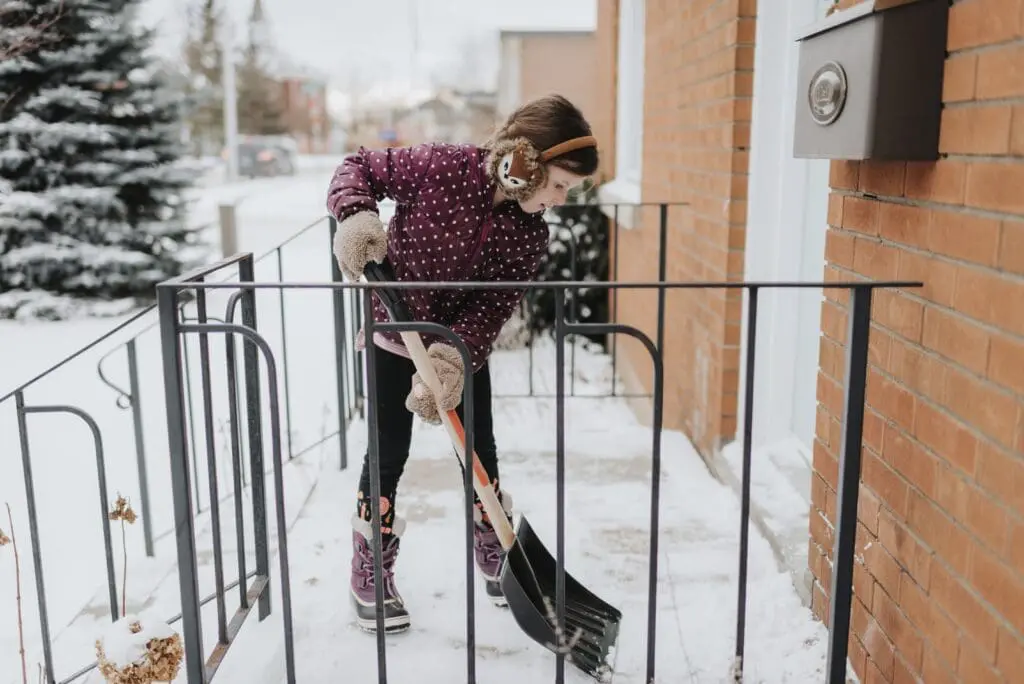


Helping you stay warm, safe, and stress-free this winter
Winter brings cosy evenings indoors – but it can also bring a few challenges for rented homes. A little preventative care goes a long way in avoiding common issues such as burst pipes, damp, or heating problems. This guide highlights what to look out for and how to protect your home during the colder months.
Keeping Your Home Warm (and Efficient)
Maintaining a consistent temperature is one of the most important things you can do in winter.
- Try to keep the heating on at a low, steady level, even when you’re out.
- Avoid turning the heating off completely during cold spells.
- Keep internal doors closed where possible to retain heat in rooms you use most.
- If your property has a thermostat, set it to a reasonable minimum temperature (usually around 15°C).
This not only keeps you comfortable but also helps protect the property from cold-related damage.
Preventing Frozen Pipes
Frozen pipes are one of the most common (and costly) winter issues – but they’re also largely preventable.
- If you’re going away, leave the heating on low or follow any specific instructions provided by us.
- Keep bathroom and kitchen cabinet doors open slightly to allow warm air to circulate around pipework.
- Never leave taps dripping unless specifically advised – steady heating is more effective.
- If you suspect a pipe has frozen (no water flow), turn off the water supply and contact us immediately.
Managing Condensation and Damp
Condensation is more common in winter due to closed windows and warm indoor air meeting cold surfaces.
- Ventilate daily by opening windows briefly, even in cold weather.
- Use extractor fans when cooking or showering.
- Avoid drying clothes directly on radiators.
- Wipe away condensation from windows and sills to prevent mould forming.
Good ventilation is just as important as heating when it comes to keeping your home healthy.
Looking After the Boiler and Heating System
Your heating system works hardest in winter, so a little awareness helps.
- Familiarise yourself with the boiler pressure gauge if applicable.
- If the heating isn’t working, check the thermostat, pressure and power before reporting an issue.
- Report any unusual noises, leaks, or error codes promptly.
Fireplaces, Vents and Safety
If your property has vents or a fireplace:
- Never block air vents – they are essential for safe airflow.
- Only use fireplaces if they are confirmed as usable.
- Ensure smoke alarms and carbon monoxide alarms are working and report any faults immediately.
Your safety always comes first.
External Areas and Winter Weather
Winter weather can affect outside areas too.
- Take care in icy conditions and report dangerous surfaces.
- Keep drains and gullies clear of leaves to prevent flooding.
- Secure outdoor items during high winds.
If you notice storm damage or leaks after severe weather, let us know as soon as possible.
When to Contact Us
Please contact us promptly if you experience:
- No heating or hot water
- Suspected frozen or burst pipes
- Leaks, damp patches, or mould
- Boiler faults or error messages
Quick communication helps us resolve issues faster and keeps disruption to a minimum.
A little winter awareness makes a big difference. By following these simple steps, you’ll help keep your home comfortable, efficient, and problem-free throughout the colder months.
If you ever have questions or concerns, don’t hesitate to get in touch – we’re here to support you.